
Skin tags are common, harmless growths that can develop in areas where skin rubs like the neck, underarms, breasts, and eyelids. The medical term for these noncancerous growths is acrochordons. While usually painless, they can sometimes become irritated by clothing, jewellery, or shaving.
Although skin tags are common skin conditions, their appearance can be a cosmetic concern, causing some people to seek convenient ways to remove them at home, especially if you prefer to manage minor skin concerns yourself.
Skin tags can affect anyone, but they are more common in adults and can be influenced by genetic factors, meaning some people are more prone to developing them.
Hormonal changes like those that happen during pregnancy, can also increase the chance of skin tags. Weight gain and increased skin friction, especially around the neck, underarms, and other skin folds, can also cause their development. If you’d like a deeper look at these and other risk factors, check out our full guide on what causes skin tags.
Although DIY removal methods may seem simple and affordable, they can carry risks like bleeding, infection, or scarring. Professional skin tag removal offers a more controlled approach. Understanding the risks of at-home removal can help you make an informed decision about your skin care.
How to remove skin tags at home videos suggest different removal methods, including cutting them with scissors or nail clippers, tying thread around their base, or applying chemical solutions or natural products like tea tree oil or apple cider vinegar. While some people believe a skin tag shrinks or that skin tags dry out with these methods, they may require treatment for safe and effective removal.
Some natural at home remedies are suggested for skin tags, but they aren’t proven to be effective. These include placing banana peel on the area, applying liquid vitamin E with a cotton swab, or using crushed garlic and leaving it on the area overnight for several nights. These methods may irritate or damage the surrounding skin.
Just because a skin tag can be removed at home doesn’t mean it’s safe. Without the appropriate tools and techniques, removal can cause bleeding, infection, or poor healing. Wart removal products are sometimes suggested, but they can cause skin irritation or damage surrounding skin and are not necessarily suitable for skin tags.
It’s important to identify the growth correctly before treatment. Moles, warts, and other skin conditions can resemble skin tags, and removing an unidentified growth could delay an important diagnosis.
If a skin tag bothers you, a qualified medical professional can assess it and recommend several procedures for appropriate treatment rather than risking unnecessary skin damage with DIY techniques.
While removing a skin tag yourself may seem convenient, several risks make professional treatment a better choice. Here are five reasons to avoid DIY removal:
Skin tag removal breaks the skin, creating an opening for bacteria to enter. Household scissors, nail clippers, and other non-sterile tools can introduce bacteria and increase the risk of infection.
Improper wound care can lead to redness, swelling, or pain, sometimes requiring medical treatment.
Professional methods like laser removal use appropriate equipment and hygiene protocols to help minimize infection risks. A medical aesthetician can also explain how to care for the treated area while it’s healing.
Skin tags contain blood vessels and can bleed when cut or injured. Removing one without proper equipment or training can cause unexpected bleeding, especially if the growth has a thicker base. People taking blood-thinning medication or who have bleeding disorders also face additional risks.
Laser treatment uses concentrated energy to target skin tag tissue. Depending on the technology and technique, it may also help coagulate small blood vessels, potentially reducing bleeding. A qualified technician can assess whether laser removal is the best option for removal.
Cutting too deeply, pulling at a skin tag, or applying harsh chemicals can damage the surrounding skin and leave an unsightly scar.
DIY products can also cause irritation, chemical burns, or pigmentation changes, especially if used on visible areas like the face, neck, or chest.
Professional laser removal uses controlled laser energy to target unwanted tissue while protecting surrounding skin. Although scarring can’t necessarily be ruled out, professional treatment can help minimize unnecessary tissue damage to keep the skin healthy. Temporary redness, irritation, and pigmentation changes are still possible, but often much less likely than with DIY methods.
Not every small, raised growth is a skin tag. Moles, warts, and other skin lesions can look similar, making proper identification uncertain without an assessment.
Trying to remove an unidentified growth could delay the diagnosis of a more serious condition, including skin cancer. If a growth changes in appearance, grows rapidly, or bleeds unexpectedly, it’s important to have it assessed before assuming it’s just a skin tag.
Skin tags can sometimes also be indicative of another underlying condition like insulin resistance, metabolic syndrome or hormonal changes, so an office visit to a medical professional is wise before treating skin tags.
Before laser removal, a qualified professional will assess the growth. If the diagnosis is uncertain, further medical evaluation by a healthcare provider like a licensed dermatologist might be recommended.
Over-the-counter creams, freezing kits, and other skin tag removal products might promise quick results, but they can be unreliable and potentially harmful.
For example, wart removers are designed for different skin growths and may damage surrounding skin when applied to skin tags. Chemical solutions can also cause irritation, burns, or sores without effectively removing the skin tag.
Professional laser removal uses concentrated light energy to precisely target unwanted tissue. Consulting a medical aesthetics clinic can help you choose an appropriate treatment while avoiding the risks of DIY methods.
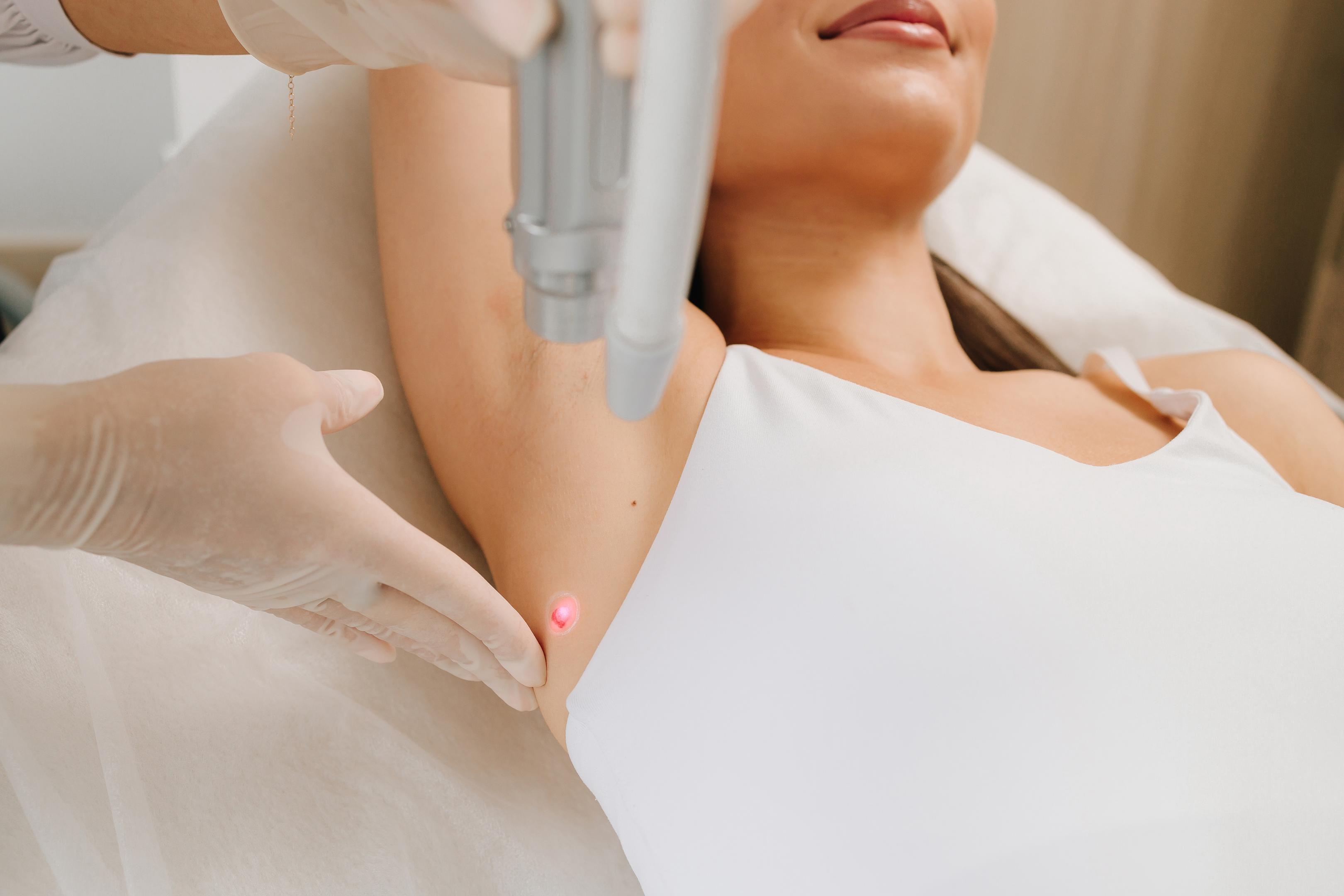
Professional skin tag removal starts with an assessment to determine whether treatment is appropriate. At a medical aesthetics clinic, laser removal may be recommended based on the growth’s size and location, as well as your skin type and medical history.
Laser skin tag removal uses concentrated energy to break down unwanted skin tag tissue in the affected area. During treatment, the provider directs the laser at the skin tag while minimizing exposure to surrounding skin. The procedure may be relatively quick, although some people experience mild discomfort, warmth, or brief stinging.
One advantage to laser treatment is precision, allowing selected skin tags to be treated while limiting unnecessary damage to the tissue surrounding the area.
Temporary redness, tenderness, swelling, or a generally small scab may develop during healing. Your recovery will depend on the size and location of the treatment area and your individual skin characteristics. Pigmentation changes and scarring are also possible. Your provider may suggest you apply antibiotic ointment to support healing.
Laser removal is a versatile option but may not be suitable for every skin tag or body area. A qualified provider should assess the growth and explain the procedure and expected healing process.
Cryotherapy involves freezing a skin tag with an extremely cold substance, usually liquid nitrogen. The freezing process damages the tissue, allowing the growth to dry out and eventually fall away as the tag dries.
The procedure may cause brief stinging or discomfort, and a blister or scab can develop afterwards. A professional can help determine whether cryotherapy is suitable for the growth depending on its size and where it’s located on the body.
Surgical procedures like snipping involve removing a skin tag with sterile surgical scissors or a blade. This method is commonly used for growths with a narrow base and can remove the skin tag immediately.
If the skin tag is located in a sensitive location where skin folds like the groin area, a healthcare professional may apply a local anaesthetic before removing the tissue. This method might also be used when skin tags are lodged inside thicker areas. A professional can manage bleeding and provide aftercare instructions like applying a bandage overnight.
Although generally straightforward, this method carries risks, including bleeding, infection, and scarring, and requires appropriate equipment and training.
DIY methods may seem less expensive initially, but potential adverse reactions make professional treatment a less risky and more effective option to safely remove skin tags.
| Factor | DIY Removal | Professional Laser Removal |
| Safety | Greater risk of injury without proper training | Controlled treatment by a licensed provider |
| Infection risk | Increased with non-sterile tools and improper wound care | Appropriate hygiene standards help reduce risk |
| Bleeding | Can be difficult to control | Certain laser techniques may help coagulate small blood vessels |
| Scarring | Risk from deep cuts or chemical damage | Targeted treatment helps minimize tissue damage, although scarring remains possible |
| Diagnosis | Growth may be misidentified | Assessment helps determine treatment suitability |
| Effectiveness | Unpredictable results and possible irritation or contact dermatitis as a result | Treatment targets selected tissue using a specialized technique |
| Recovery | Unpredictable if complications develop | Aftercare guidance supports healing and may include a follow up appointment |
| Cost | May seem less expensive upfront | Depends on the number, size, and location of growths |
Professional laser removal can’t eliminate every risk, and results can vary. However, having a skin tag treated by a qualified professional offers a much more controlled approach and will often produce results better than attempting removal at home.
Skin tags are generally harmless and don’t always require removal. However, if a growth becomes irritated or is a cosmetic concern, professional treatment may be worth considering.
Cutting, freezing, or applying products at home can increase the risk of infection, bleeding, scarring, and skin damage. There’s also the possibility of misidentifying a growth that is considered cosmetic and delaying an important diagnosis.
At You Derma, our licensed medical aestheticians can help determine whether laser treatment is a suitable option for you. Book a consultation today to learn more.

You Derma is a Medical Aesthetics Clinic offering laser hair removal, facial treatments, laser treatments, and cosmetic injectables in Ottawa.
Visit Our Medical Aesthetics Clinic in Manor Park
435 St. Laurent Blvd Suite 204
Ottawa, ON K1K 2Z8
(613) 741-0073